
Website Redesign or New Website — Which Option Is Best for Your Business?
In This Article
Choosing between redesigning your existing website or building a new one can be a tough decision. Both options have their advantages and challenges, and the right choice depends on your business goals, budget, and current website condition. This post will help you understand the key differences and guide you toward the best option for your business.
When to Consider a Website Redesign
A website redesign involves updating the look, feel, and functionality of your current site without starting from scratch. This option works well if your website structure is solid but the design or user experience feels outdated.
Signs You Need a Redesign
- Your website looks old-fashioned compared to competitors.
- The site is slow or not mobile-friendly.
- Navigation is confusing or users struggle to find information.
- Your branding has changed but the website does not reflect it.
- You want to improve conversion rates with better calls to action.
Benefits of Redesigning
- Cost-effective: Redesigns usually cost less than building a new site.
- Faster turnaround: You can launch the updated site sooner.
- Preserves SEO value: Keeping the same URLs and structure helps maintain search rankings.
- Improves user experience: Modern design and better navigation can increase engagement.

A well-planned redesign starts with understanding what's working and what isn't.
Example
A local bakery updated its website with a fresh design, improved mobile responsiveness, and clearer menus. The redesign increased online orders by 30% within three months without changing the site's core structure.
When to Build a New Website
Building a new website means starting fresh with a new design, structure, and often a new platform. This is the best choice if your current site has major issues or no longer supports your business needs.
Signs You Need a New Website
- Your website platform is outdated or no longer supported.
- The site is difficult to update or maintain.
- Your business model has changed significantly.
- You want to add complex features that the current site cannot handle.
- The website has serious technical problems or security risks.
Benefits of a New Website
- Complete control: You can design every aspect to fit your current goals.
- Better technology: Use the latest tools and platforms for performance and security.
- Scalability: Build a site that can grow with your business.
- Improved user experience: Create a site tailored to your audience's needs.
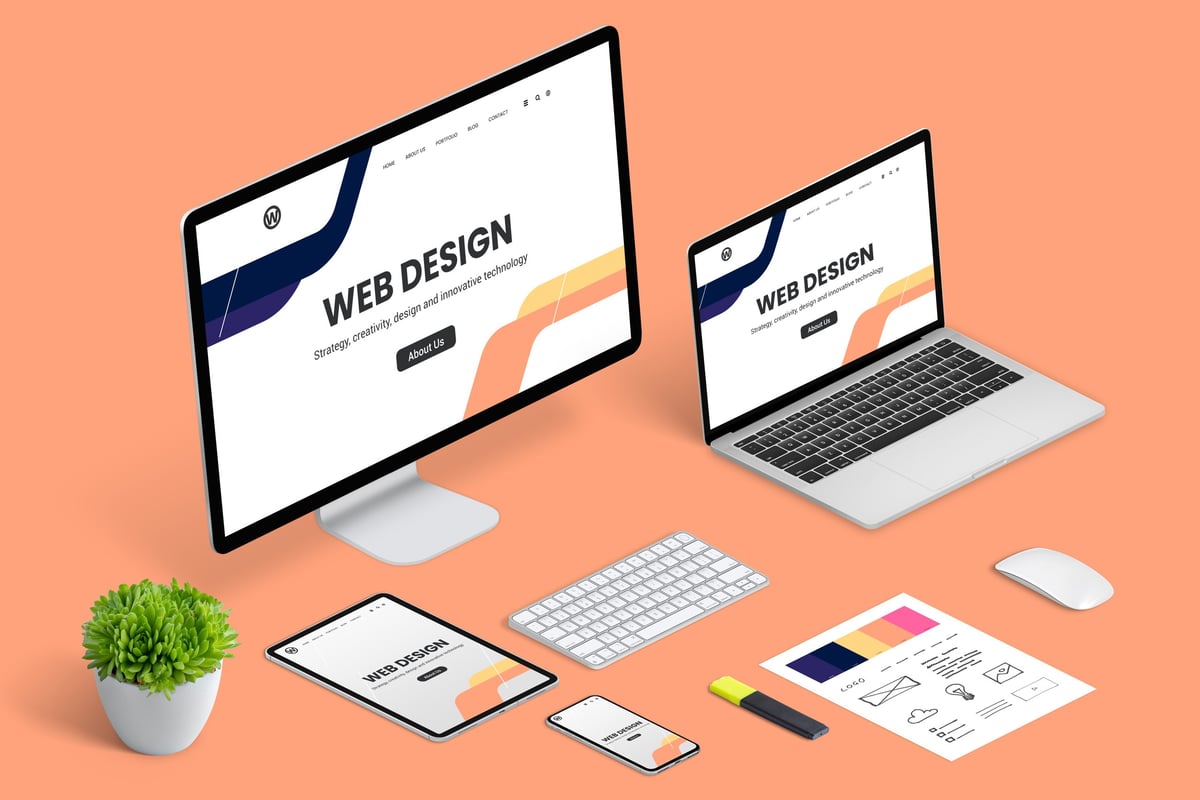
A new website lets you build a responsive experience that works beautifully on every device.
Example
A consulting firm switched from a basic website to a new platform with client portals, booking systems, and resource libraries. This new site improved client satisfaction and reduced administrative work.
Factors to Consider Before Deciding
Budget
Redesigns generally cost less, but if your site needs major changes, a new website might be more cost-effective in the long run.
Time
Redesigns can be completed faster, which is important if you need quick improvements.
SEO Impact
Redesigns keep your existing SEO intact, while new websites may require careful planning to avoid losing search rankings.
Business Goals
If your goals have changed dramatically, a new website can better support new services, products, or audiences.
Technical Needs
Complex features or integrations often require a new website built on a flexible platform.
Steps to Make the Right Choice
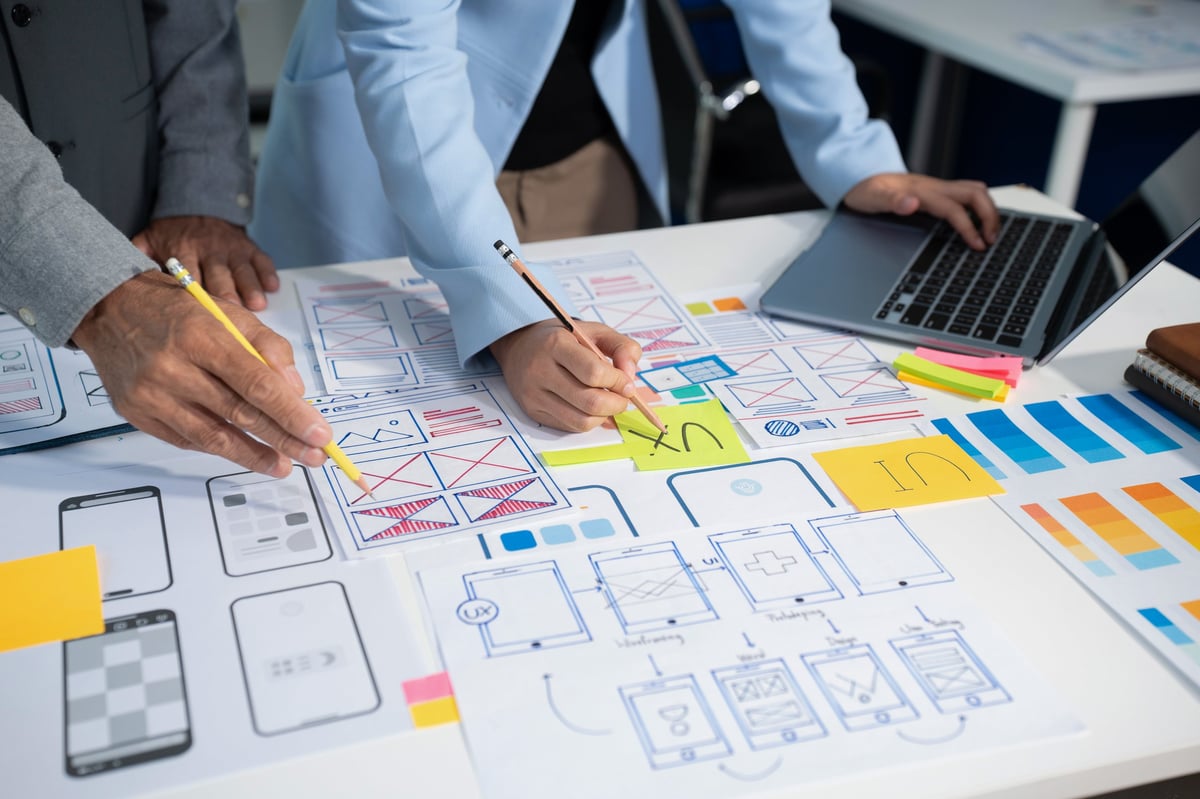
Consulting with experts can help you evaluate feasibility and costs for both paths.
- Audit your current website — Evaluate design, performance, SEO, and user feedback.
- Define your goals — What do you want your website to achieve in the next 1–3 years?
- Consult with experts — Web designers and developers can provide insights on feasibility and costs.
- Compare costs and timelines — Get quotes for both redesign and new build options.
- Plan for SEO and content migration — Ensure your search rankings and content are preserved or improved.
Final Thoughts
Choosing between a website redesign and a new website depends on your current site's condition and your business goals. A redesign can refresh your online presence quickly and affordably, while a new website offers a fresh start with modern technology and features. Take time to assess your needs carefully and consult professionals to make the best decision.
Related articles
Web Design in Merthyr Tydfil: A Local Guide for Small Businesses
A practical guide to web design for Merthyr Tydfil businesses — how design and local SEO work together, what to expect from a professional website, common mistakes to avoid, and how to choose the right web designer for your business.

How Much Does a Small Business Website Cost in 2026?
A professional small-business website in the UK can cost anywhere from £500 to more than £10,000 in 2026. Here's what you can expect at each price level, what affects the cost, and how to avoid overpaying for a website that doesn't deliver.

How to Choose a Web Design Agency: A Comprehensive Guide
Choosing the right web design agency can make or break your online presence. Learn what to look for, what to ask, how to evaluate portfolios, and how to align your budget for the best results.