
Understanding the Cost of Professional Website Development in the UK

In This Article
Creating a professional website is a key step for any individual or business aiming to establish a strong online presence. However, one of the most common questions is: how much does a professional website cost in the UK? The answer varies widely depending on several factors, including the website's complexity, design requirements, and ongoing maintenance. This post breaks down the typical costs involved, helping you understand what to expect and how to plan your budget effectively.
What Influences the Cost of a Professional Website?
Several elements affect the final price of a website. Knowing these factors helps you make informed decisions and avoid unexpected expenses.
1. Website Type and Complexity
The type of website you want plays a major role in cost. Here are common categories:
These usually have a few pages (home, about, services, contact) and cost between £500 and £2,000.
More pages, custom design, and some interactive features can push costs to £2,000–£5,000.
Selling products online requires shopping carts, payment gateways, and inventory management. Prices typically range from £3,000 to £10,000 or more.
Complex platforms with unique features can cost £10,000 upwards, depending on requirements.
2. Design and User Experience
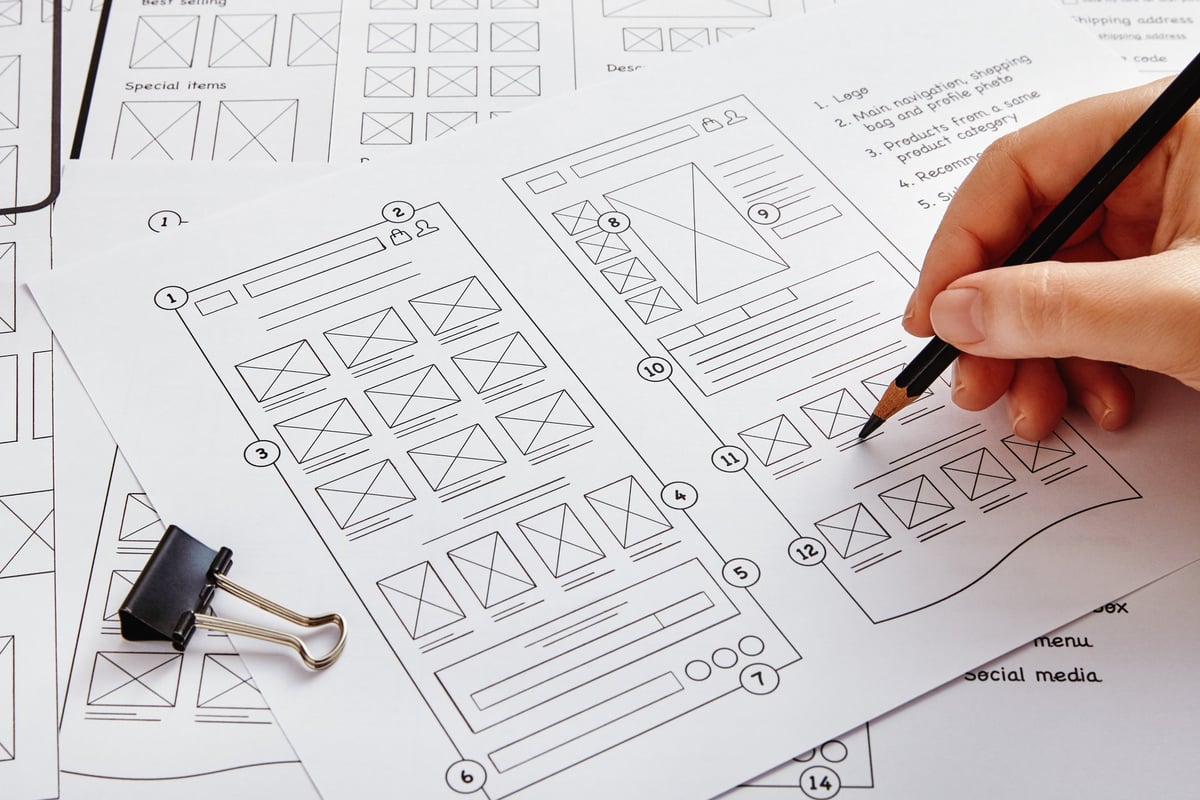
Custom design tailored to your brand identity costs more than using pre-made templates. A professional designer will create layouts, graphics, and user interfaces that improve engagement but add to the price.
3. Content Creation
If you need help with writing text, photography, or videos, expect additional fees. Quality content is crucial for attracting visitors and improving search engine rankings.
4. Development and Technology
The choice of technology affects cost. For example:
Using popular content management systems (CMS) like WordPress can reduce development time and cost.
Custom-coded websites require more time and expertise, increasing the price.
Integrations with third-party tools (booking systems, CRM, analytics) also add to development costs.
5. Hosting and Domain Registration
Owning a domain name usually costs around £10–£20 per year. Hosting fees depend on the provider and package, ranging from £5 to £50 per month for most professional sites.
6. Maintenance and Updates
Websites need regular updates for security, performance, and content freshness. Maintenance plans can cost £20 to £100 per month depending on the level of service.
Examples of Website Costs in the UK
To give a clearer picture, here are some typical scenarios:
| Website Type | Features Included | Estimated Cost (GBP) |
|---|---|---|
| Basic brochure site | 5 pages, template design, basic SEO | £500 – £1,500 |
| Small business website | Custom design, 10 pages, contact forms | £2,000 – £4,000 |
| E-commerce store | Product catalog, payment gateway, SSL | £4,000 – £10,000 |
| Custom web application | User accounts, database, API integrations | £10,000+ |
How to Get the Best Value for Your Budget
Spending wisely on your website means balancing cost with quality and functionality. Here are tips to get the most from your investment:
Define your goals clearly before starting. Knowing what you want helps avoid unnecessary features.
WordPress suits many businesses, while custom builds fit complex needs.
Launch a basic version first, then add features later to spread costs.
Choose developers who provide transparent quotes and clear timelines.
Clear, engaging text and images improve user experience and SEO performance.
Budget for ongoing maintenance to keep your site secure and up to date.
Common Pitfalls to Avoid
Some mistakes can inflate costs or reduce your website's effectiveness:
Choosing the cheapest option without checking quality can lead to poor design and functionality.
Overloading the site with unnecessary features increases development time and cost without adding value.
Ignoring mobile responsiveness limits your audience and harms search rankings.
Skipping maintenance risks security breaches and outdated content that damages credibility.
Recommended
- Website Design Services — Jones Digital
- Keys to Designing a Trustworthy Website Experience — Jones Digital
- Mastering Your Online Identity: The Ultimate Checklist for Small Business Success — Jones Digital
- Conversion-Focused Web Design: A Practical Guide — Jones Digital
- Mobile-First Design in 2026: Why It Still Matters — Jones Digital
Related articles

12 Signs Your Business Website Needs a Redesign
How do you know when it's time to rebuild? These 12 clear signs show your business website may need a redesign — plus how to tell whether you need a full build or just a focused update.

Web Design in Merthyr Tydfil: A Local Guide for Small Businesses
A practical guide to web design for Merthyr Tydfil businesses — how design and local SEO work together, what to expect from a professional website, common mistakes to avoid, and how to choose the right web designer for your business.

How Much Does a Small Business Website Cost in 2026?
A professional small-business website in the UK can cost anywhere from £500 to more than £10,000 in 2026. Here's what you can expect at each price level, what affects the cost, and how to avoid overpaying for a website that doesn't deliver.